Until March 7 at the Roberto Casamonti Collection
Words from Director Jonathan Paonetti
The event dedicated to the “Return of the Great Masters of the 20th Century” returns to the Roberto Casamonti Collection in Florence. The exhibition makes accessible to visitors works that are stored in the Collection’s deposits and, therefore, not always visible.
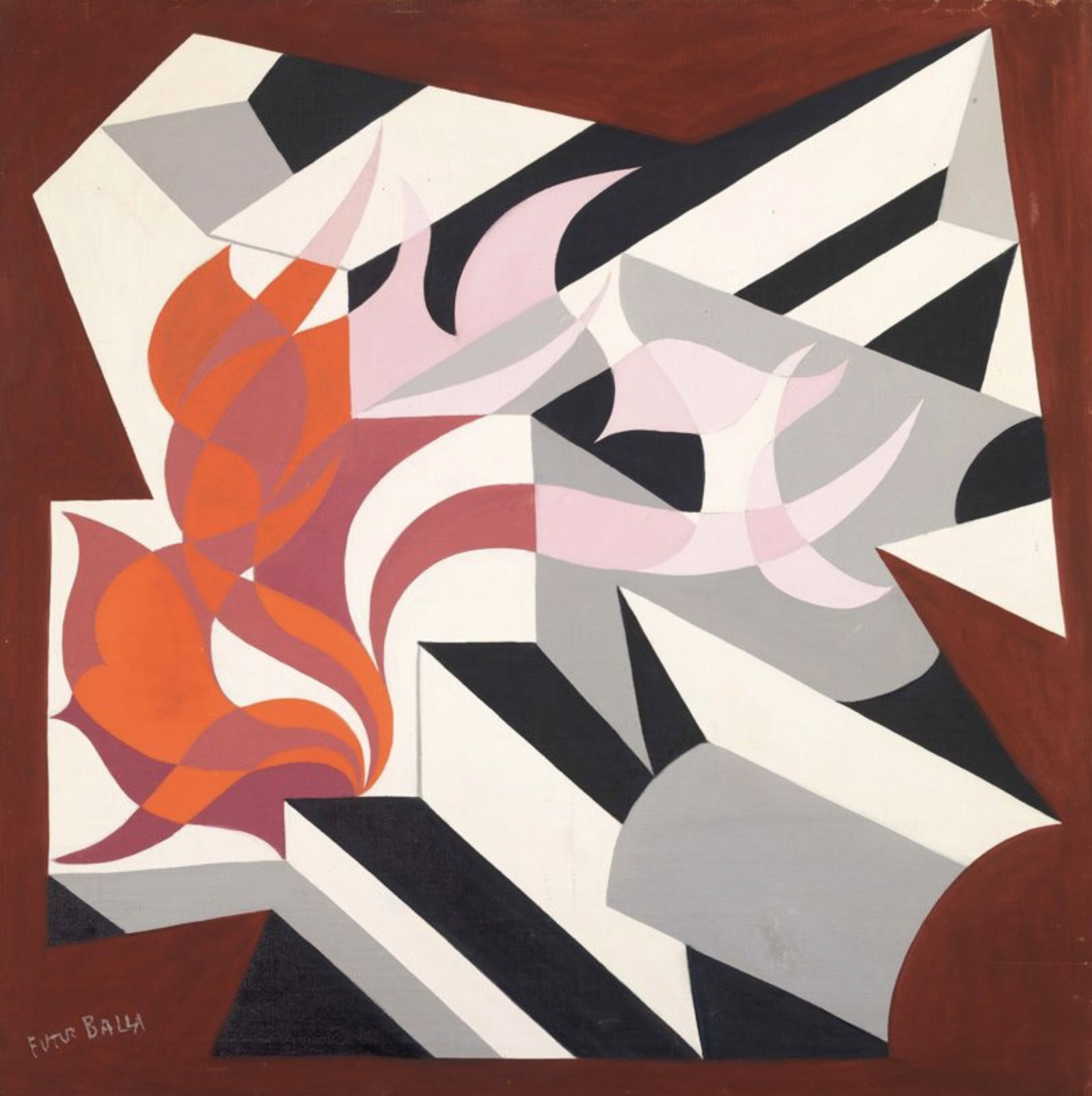
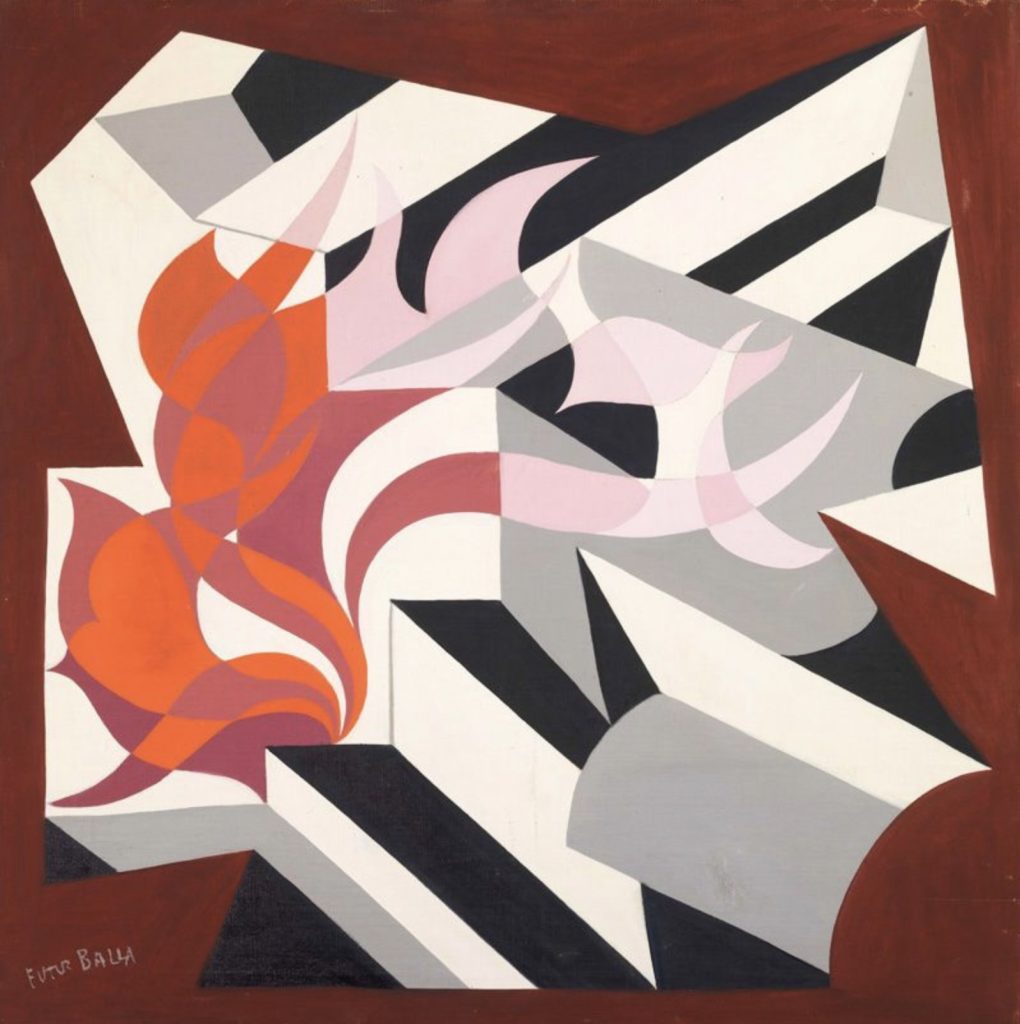
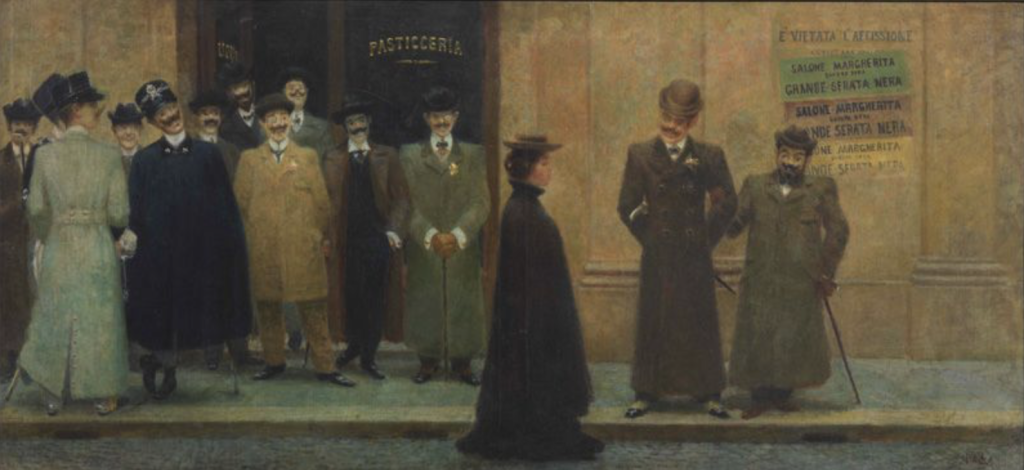
The first exhibition of 2026 pays tribute to Giacomo Balla and two of his works preserved here: “Grande serata nera al Salone Margherita. Serata nera,” a work from around 1903-1904 with a still divisionist taste before the arrival of mature Futurism, represented by “Idealfiamma,” an oil on canvas from 1929.
We asked Director Jonathan Paonetti to briefly discuss this with us.
1) This is the first exhibition of 2026 dedicated to the return of the great masters, starting with Giacomo Balla. After Boldini, De Pisis, Chagall, De Chirico, Dalì, etc., was there a specific reason for choosing the master of Futurism?
Giacomo Balla represents a central figure in the evolution of Italian art between the 19th and 20th centuries. The choice is essentially due to the desire to bring his extraordinarily current language back into the exhibition path in the show titled “From the 1960s to the Early 21st Century” and, consequently, to create a dialogue with the works of the artists on display.
2) Is there a common thread that links the different exhibitions to one another, beyond the enhancement of the “Great Masters of the 20th Century”?
Yes, there is a common thread that links the different exhibitions. It is the desire to bring back to the center of attention some protagonists of 20th-century art, enhancing their artistic research, thought, and exploration. Each exhibition is conceived as an autonomous chapter that allows for the reconstruction, as a whole, of a broader narrative.
3) The exhibition features two masterpieces: “Grande serata nera al Salone Margherita. Serata nera” and “Idealfiamma,” a comparison between two artistic periods of Balla between late divisionism and mature futurism. What kind of reading advice can you give to visitors interfacing for the first time with this comparison?
To visitors approaching this comparison for the first time, I suggest letting themselves be guided by the transformation of the artist’s visual language. The transition from Divisionism to Futurism does not happen through rupture but through evolution, and the comparison of the works allows for an understanding of Giacomo Balla’s ability to unite experimentation and vision.
4) Do you have any curiosities about one or both of the works that you would like to share with us?
To discover the numerous curiosities about the exhibited works, I invite visitors to participate in the guided tours organized monthly, but I can reveal a small detail: while observing “Grande serata nera al Salone Margherita. Serata nera” (1903-1904), I suggest focusing on the geometric composition of the represented scene. A series of vertical axes, horizontal lines, and reflective modules determine the entire construction.
Book your visit here
5) An invitation to visit the Roberto Casamonti Collection and the exhibition
The invitation I can extend to all visitors is to come and immerse themselves in contemporary art, discovering innovative and revolutionary languages with internationally renowned artists. A unique journey in the heart of Florence designed to share beauty, emotions, and the immense reflections that only art can create.
For all museums and art in Florence, click here!
On Artsupp you will find the city's full calendar with opening hours and tickets.
Explore Florence