Palazzo Cipolla in Rome, located on Via del Corso, is hosting the exhibition Hypothesis Metaverse until July 23, 2023.
Hypothesis Metaverse is, to date, one of the first international exhibitions to question the technological/existential concept of Metaverse.
The exhibition, curated by Gabriele Simongini and Serena Tabacchi, is promoted by the Fondazione Terzo Pilastro – Internazionale and is produced by Poema SpA.
Three-Dimensionality, from the Seventeenth Century to Today
Hypothesis Metaverse engages a large number of artists who, through the exhibition path, guide visitors on a journey through three-dimensionality, from the seventeenth century to today.
The exhibition aims to reflect on the digital technology that is inevitably changing the way we perceive reality.
Art must inevitably keep pace with the innovations of daily life, aligning itself between past, present, and future.

The Artists of Hypothesis Metaverse
From these premises arises the dialogue among the 32 artists, coming from all over the world, exhibited at Palazzo Cipolla.
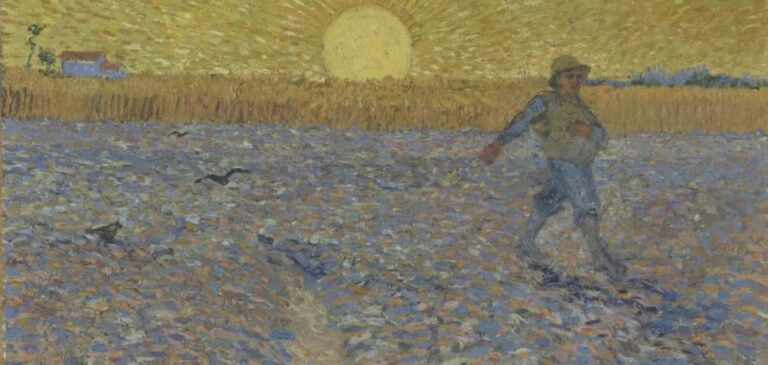
Historical works by Carlo Maratti, Andrea Pozzo, Giovanni Battista Piranesi, Umberto Boccioni, Giacomo Balla, Fortunato Depero, De Pistoris, Giorgio de Chirico, Maurits Cornelis Escher, Victor Vasarely, Ugo Nespolo, Giulio Paolini, Giuseppe Fiducia, Pier Augusto Breccia, Alfredo Zelli, Cesar Santos, alternate with site-specific works by some of the most innovative and disruptive digital artists on the contemporary Italian and international scene, including Robert Alice, Refik Anadol, Alex Braga, Joshua Chaplin, Sofia Crespo and/and Feileacan McCormick, Damjanski, Primavera De Filippi, fuse*, Fabio Giampietro with/with Paolo Di Giacomo, Krista Kim, Mario Klingemann, Pak, Joe Pease, Federico Solmi, Sasha Stiles, Pinar Yoldas.

Balance Between Physical and Digital
Hypothesis Metaverse also aims to emphasize how technology can coexist with real life, without replacing it.
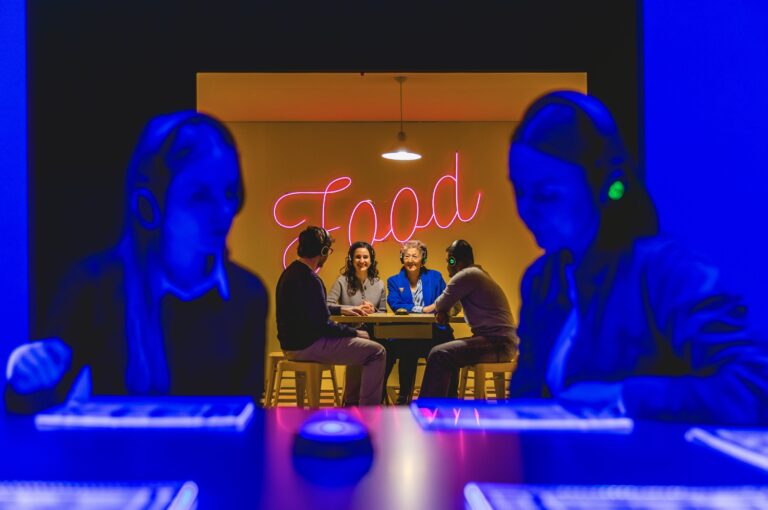
Thanks to this balance between physical and digital, in Hypothesis Metaverse coexist traditional paintings and sculptures alongside immersive contemporary works, including immersive swings, zen digital philosophy, technonature, virtual reality headsets, artificial intelligence, blockchain sculptures, poetry, and generative sounds in a relationship that remains balanced.
If you want to discover all the other 2023 exhibitions in Rome, we also recommend our in-depth article: Rome: main exhibitions 2023.
For must-see exhibitions in all the other cities, Milan, Turin, Venice, and Naples, click here:
Venice: exhibitions to see in 2023
Exhibitions in Naples: which to see in 2023
Exhibitions in Milan 2023: the five not to miss