A New World
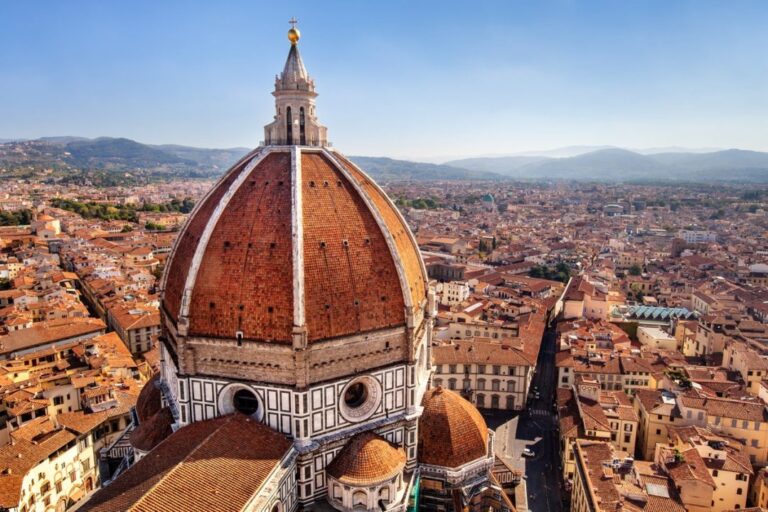
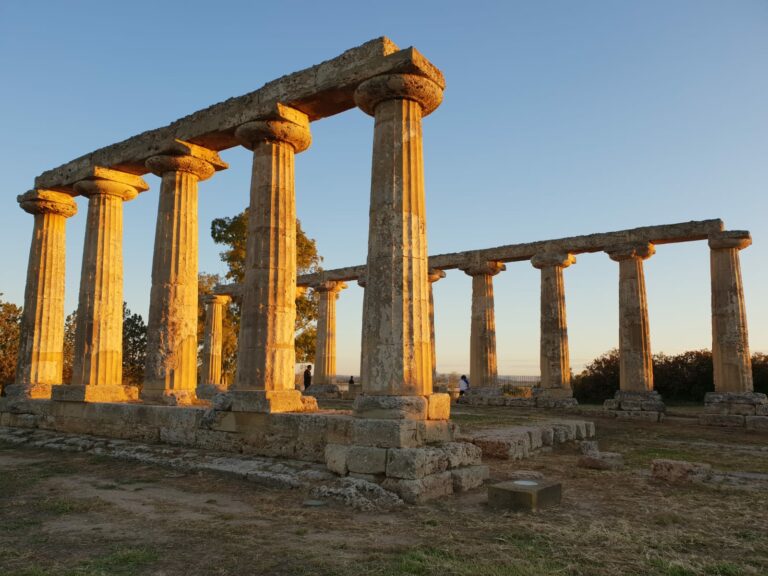
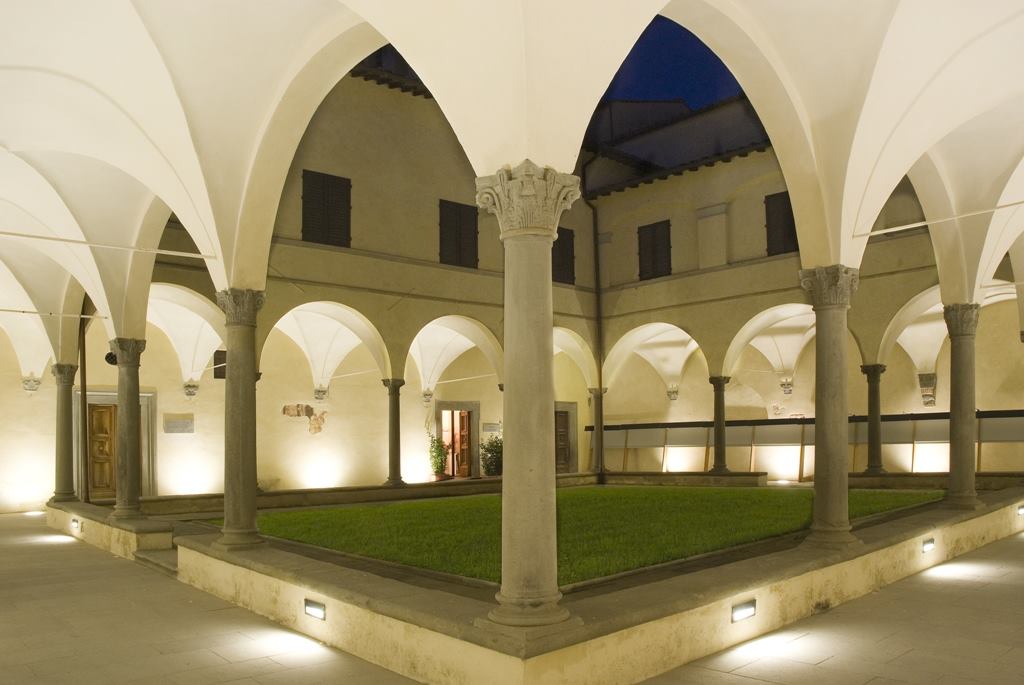
Imagine a leap into Tuscany two hundred years ago: in the times of a new world, after the revolution and the comet of Napoleon, with an Italy in turmoil shedding the old habits of centuries. A passion for discovery and study, for books and nature: a moment when knowledge and poetry, reading and observing the world, culture and the arts applied to economic life grow together. This is the moment when the Paleontological Museum of the Accademia del Poggio was born, which visitors discover upon entering the halls of its location in Montevarchi, within the renewed environment of the Renaissance cloister of San Lodovico. That conjunction between arts and science, letters and the study of nature has been in the soul of the museum since its origins, as the collections of the Accademia combined ancient volumes and fossils, testimonies of prehistory for which the Arno basin has always been generous. The same Georges Cuvier, the founder of paleontological sciences, visited the collection even before it was organized into a museum display in 1829.
A JOURNEY THROUGH TIME EMBRACING HISTORY
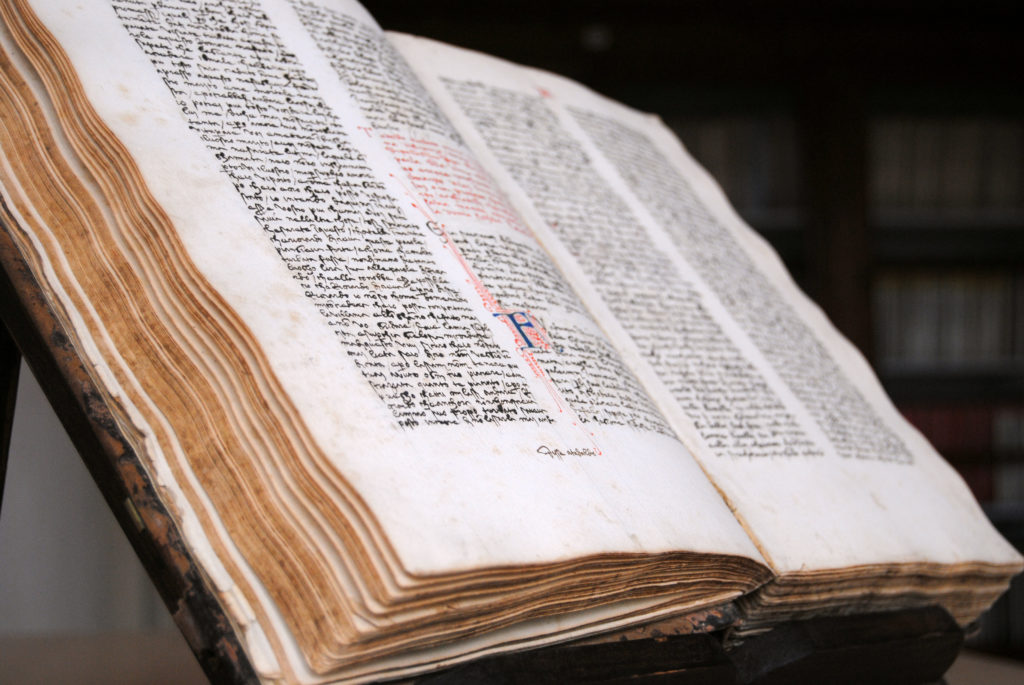
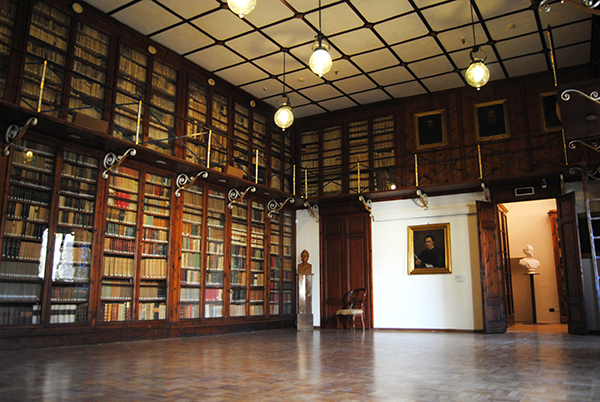
Upon entering the Paleontological Museum, one immediately encounters one of the protagonists of the collection: Gastone, the colossal fossil of Mammuthus meridionalis that dominates the first large hall. Ascending to the upper floor, the true journey through time begins: the first step is the Grand Hall of the Accademia, an environment that still breathes the air of 19th-century culture, housing the volumes of the historical library: a heritage of thousands of titles from philosophy to medicine, from poetry to applied sciences, which date back to the founding times of the Accademia, reaching back through the centuries to the oldest pieces, the incunabula of Tuscan humanists (Poggio Bracciolini, Marsilio Ficino) and a manuscript of the Decameron from the early 1400s.
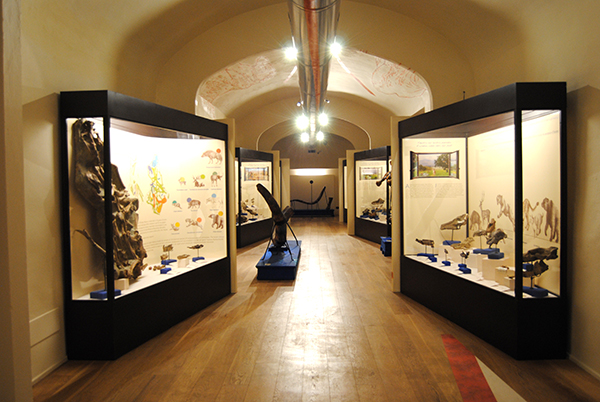
And it is by traversing this forest of books that the visitor arrives at the halls of prehistoric exhibitions: first reconstructed in their original 19th-century image, then, in the central exhibition halls, rethought in a modern setup, with video projections and graphic environments that relate the fossils of the flora and fauna of the territory to the climate and landscape of the Pleistocene.
Here too, the journey through the halls is a journey through time, as from showcase to showcase one follows the geological and climatic transformations of the territory starting from 3 million years ago. Tropical forest, cold steppe during glacial periods, arid savanna worthy of the most classic African settings: different scenarios that bring with them animal species and ecological contexts in continuous transformation. At the end of all these transformations arrives the last protagonist, man. Human communities are evidenced by the remains of an exceptional finding: a hunting scene from 200,000 years ago, which left not only the bones of a young elephant killed and processed by a group of hunters but also the flints with which those ancestors procured their meal, one of which bears the marks of handling. It is the story of technology taking its very first steps here. The museum exhibition does not neglect to follow this path: in the last halls, again largely created with finds from the Valdarno area, the visitor finds an archaeological collection of ceramics and metal artifacts from the Etruscan and Roman ages. It is the ideal closure of a circle that brings us back to classical studies and thus to the ancient volumes of the library in the first halls.
PAST AND PRESENT: THE CHALLENGES OF AN UNCONVENTIONAL MUSEUM
It is in this idea of circulation, of differences touching each other that the Museum finds its peculiarity and its mission: letters and science, past and present, culture with a grand name, Accademia, and shared and participatory knowledge, in the animation of workshops for children and in the lived experience of an environment always open to users of all kinds. Because the Museum is not a collection, but a living complex of activities: visitors often encounter the restoration workshop in action, caring for fossils or preparing new exhibitions, or the audience of the modern library, which allows everyone to consult the ancient heritage in the spaces of the consultation room equipped for free access. Perhaps nothing is more emblematic of this character of the Museum than its latest arrival.
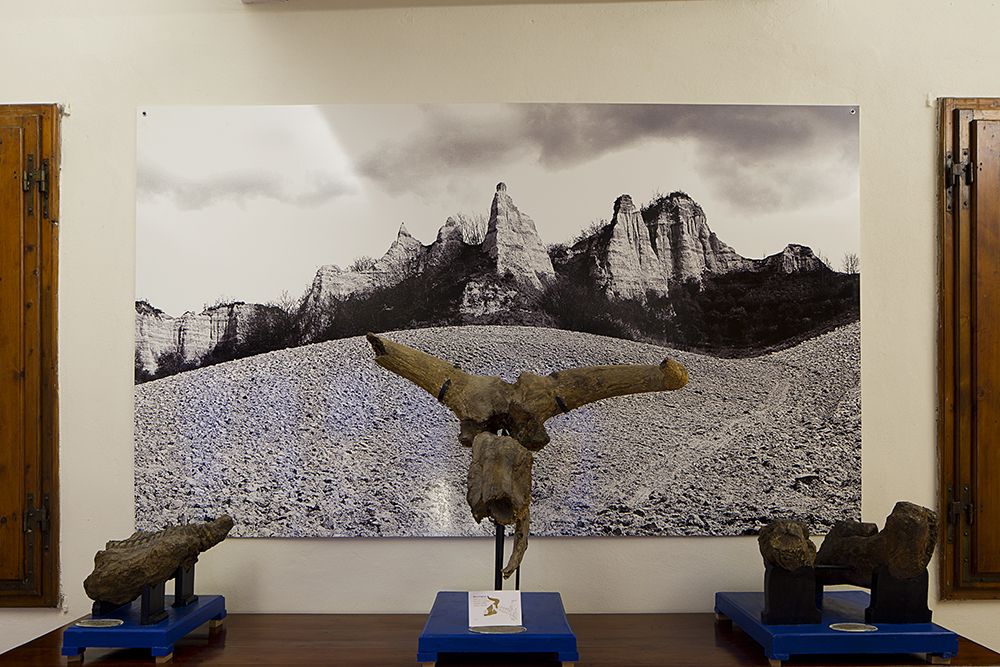
Several years ago, in the cliffs near Terranuova Bracciolini, just a few kilometers from the Museum, two hunters discovered the signs of a large fossil emerging from the ground. It was the beginning of an extraordinary adventure, which would lead to the excavation of the find, the remains of the skull and tusks of an elephant from about 1 million and 600 thousand years ago, its restoration, and its relocation to a hall of the Museum, where Otello – this is his name – was already awaited as a true mascot for all the old and new enthusiasts of Valdarno.