The Accademia Carrara, located in Bergamo, is an Italian art gallery established in 1796.
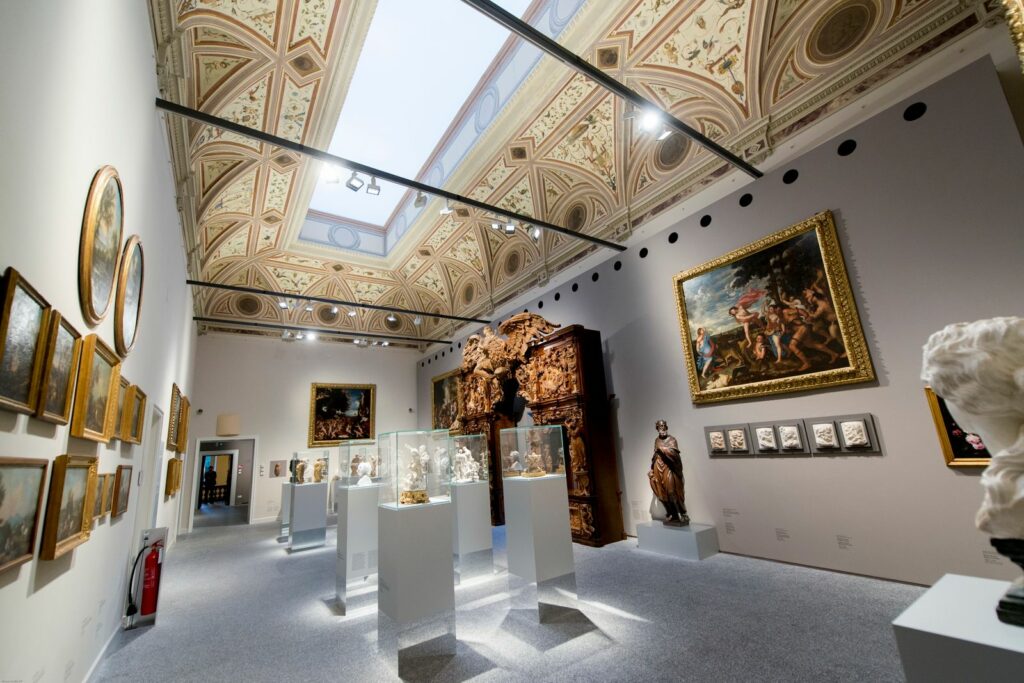
It presents itself as an imposing neoclassical building, perfectly integrated into the historic center of the upper city.
The Accademia, already home to an important collection of Renaissance art, now also hosts on loan one of the last masterpieces by Velázquez, namely La Reina doña Mariana de Austria.
The Founder: Giacomo Carrara
The Accademia was founded at the behest of Count Giacomo Carrara.
As a passionate art historian, he also became an avid collector and found himself with a collection of works – including paintings and sculptures – so vast that he had to build a dedicated building to house it.
Within the Accademia, the Count also established a School where many artists of the time trained, some of whom are now exhibited in the museum, such as Giuseppe Diotti, Giovanni Carnovali known as il Piccio, and Francesco Coghetti.
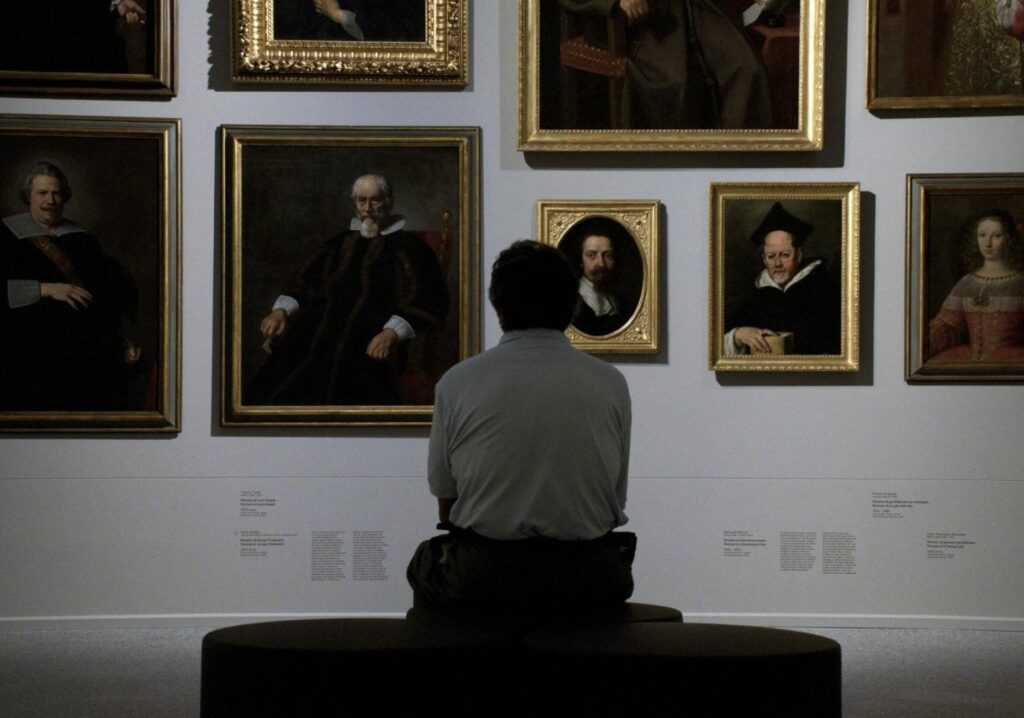
The Accademia Carrara or Museum of Collecting
Thanks to Carrara, the art gallery immediately distinguished itself as one of the richest in Italy, making available to all a collection that is nothing short of enviable. However, it is also important to highlight the role that other private collectors had in further enhancing the prestige of this institution.
Over the centuries, prominent figures in art history such as Guglielmo Lochis, Giovanni Morelli, and Federico Zeri have made substantial donations to the Accademia Carrara, with whom they all collaborated during their respective careers.
It is precisely because of this close relationship with collectors that the Accademia managed to survive even during the ecclesiastical repressions of the eighteenth century and is still affectionately known as the Museum of Collecting.
The Collection
The museum’s collection mainly consists of paintings along with a sculptural heritage that includes 134 objects, mostly inherited from the aforementioned collectors.
There are almost 1800 canvases, all signed by the greatest names in Italian art such as Raphael, Titian, Tiepolo, Canaletto, Previati, Guardi, Mantegna, and Bellini. The masterpieces, thanks to an arrangement made following a precise chronological order, span four centuries of history, from the sixteenth to the twentieth century.
Among others, one can find the Madonna col Bambino by Mantegna, created between 1485 and 1490, San Sebastiano by Raphael, from the collection of Guglielmo Lochis and donated to the museum in 1866, and the Mystical Marriage of Saint Catherine of Alexandria and Niccolò Bonghi, a painting by Lorenzo Lotto that belonged to Giacomo Carrara.
Until August 28, thanks to an extraordinary loan directly from the Prado Museum in Madrid, the Accademia temporarily adds to its collection one of the most beautiful works by Velázquez, one of the greatest Spanish painters of the seventeenth century, titled La Reina doña Mariana de Austria. It is indeed a majestic portrait of Maria Anna of Austria, Archduchess of Austria and Queen Consort of Spain, created by the artist in the late 1650s.
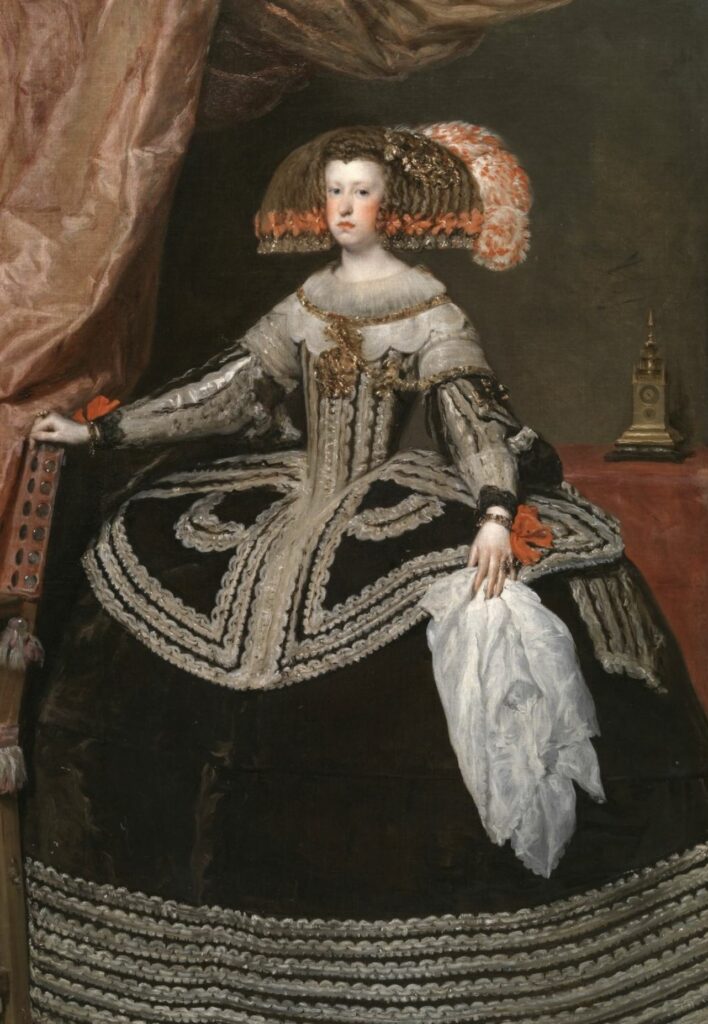
The arrival of the work by Velázquez in Bergamo reaffirms how the Accademia Carrara is a museum of significance for the quality of the masterpieces on display and for how it has managed to bring such an exceptional art profile to the city, making it a key player in the national and international artistic and cultural scene.